Sold
Not Sold
| Name | Year | Age | Price | Code | QR | Basket |
|---|---|---|---|---|---|---|
| Նշենի | 2026 | 0 | 40000 | A2-2-8 |

Tree Passport |
|
| Նշենի | 2026 | 0 | 40000 | A2-2-10 |

Tree Passport |
|
| Նշենի | 2026 | 0 | 40000 | A2-2-11 |

Tree Passport |
|
| Նշենի | 2026 | 0 | 40000 | A2-2-12 |

Tree Passport |
|
| Նշենի | 2026 | 0 | 40000 | A2-2-23 |

Tree Passport |
|
| Նշենի | 2026 | 0 | 40000 | A2-2-24 |

Tree Passport |
| Year | Age | Trees | Annual Yield (kg) | Asset Value | Income | Expenses | Profit | Annual % |
|---|
Yerrandashat Almond Orchards
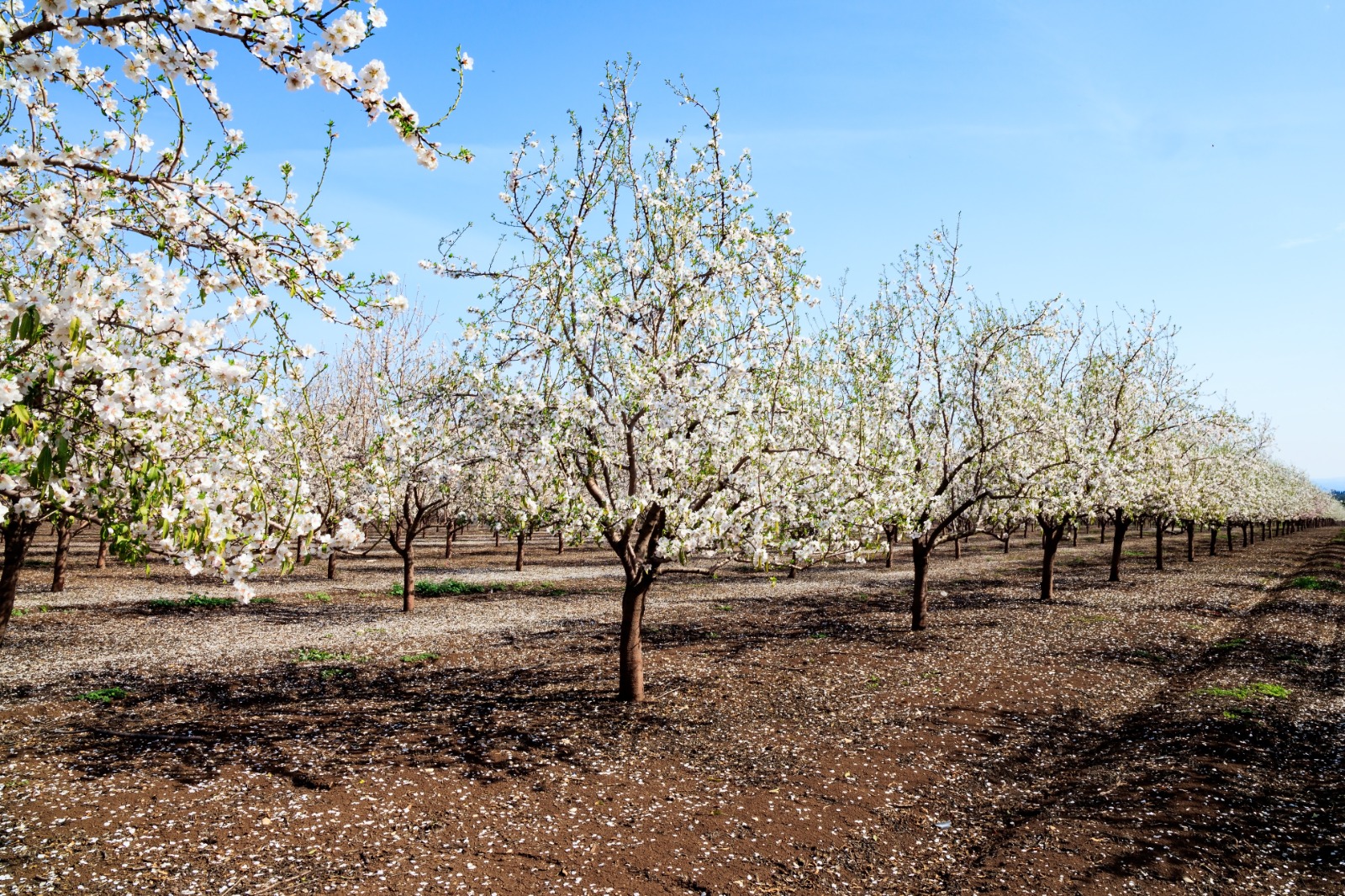
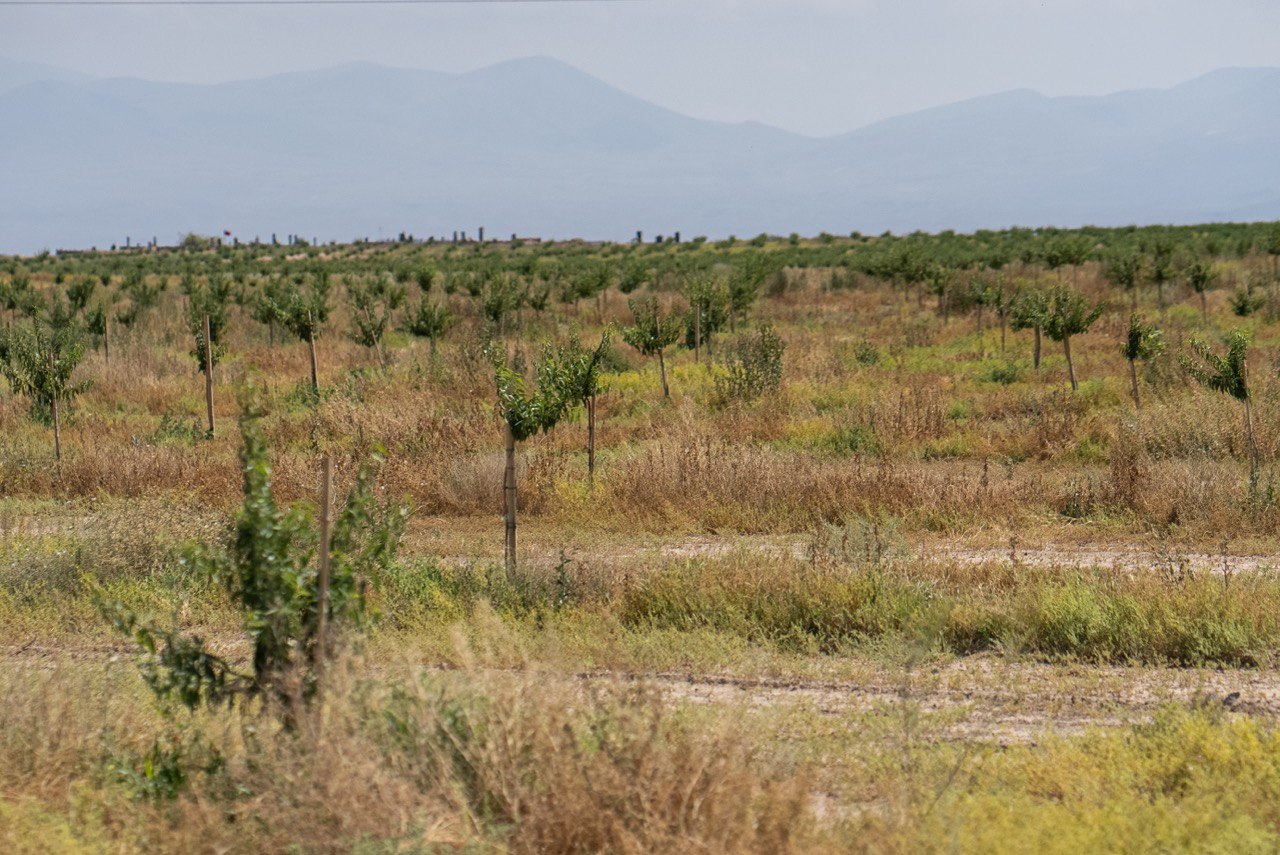
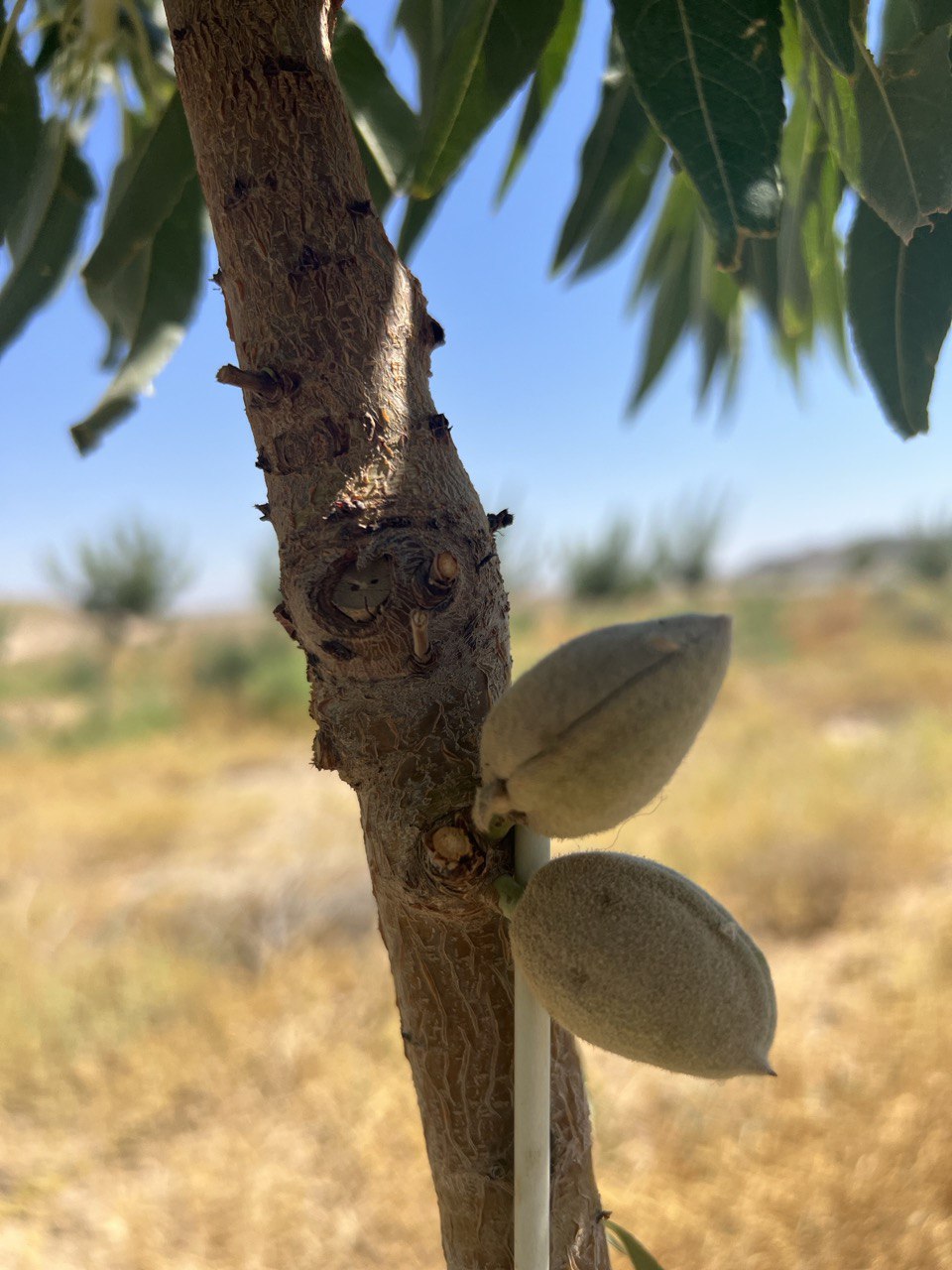
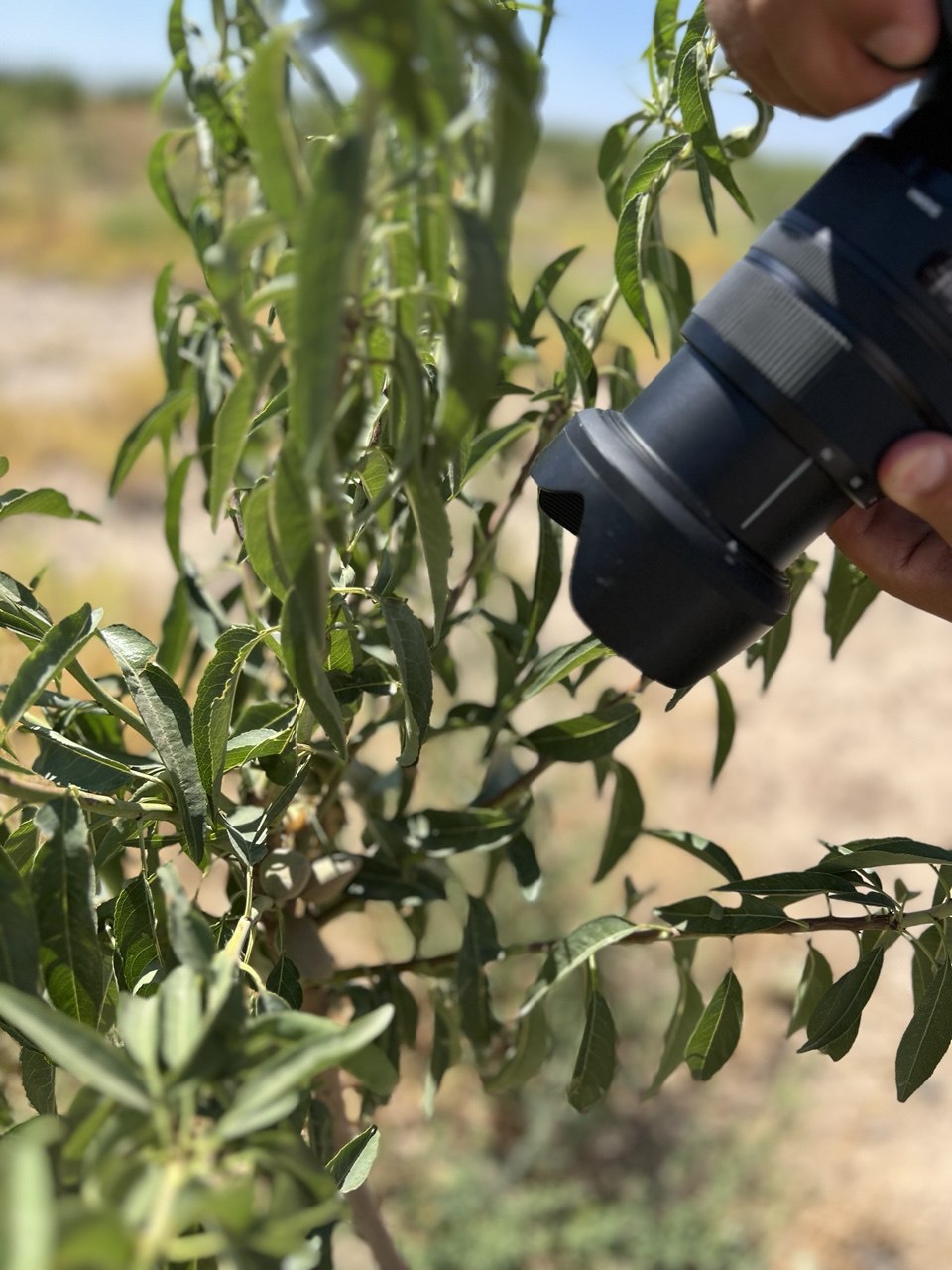
On the fertile lands of the Armavir Province, in the modern community of Yerrandashat, one of the largest and most advanced almond orchards in the region has been established. Founded in 2024, the orchard covers approximately 300 hectares and includes more than 100,000 Spanish almond trees.
This orchard was created as a long-term agricultural investment project, combining modern horticultural technologies, sustainable agriculture, and the opportunity for investors to own real natural assets.
Soil and Natural Conditions
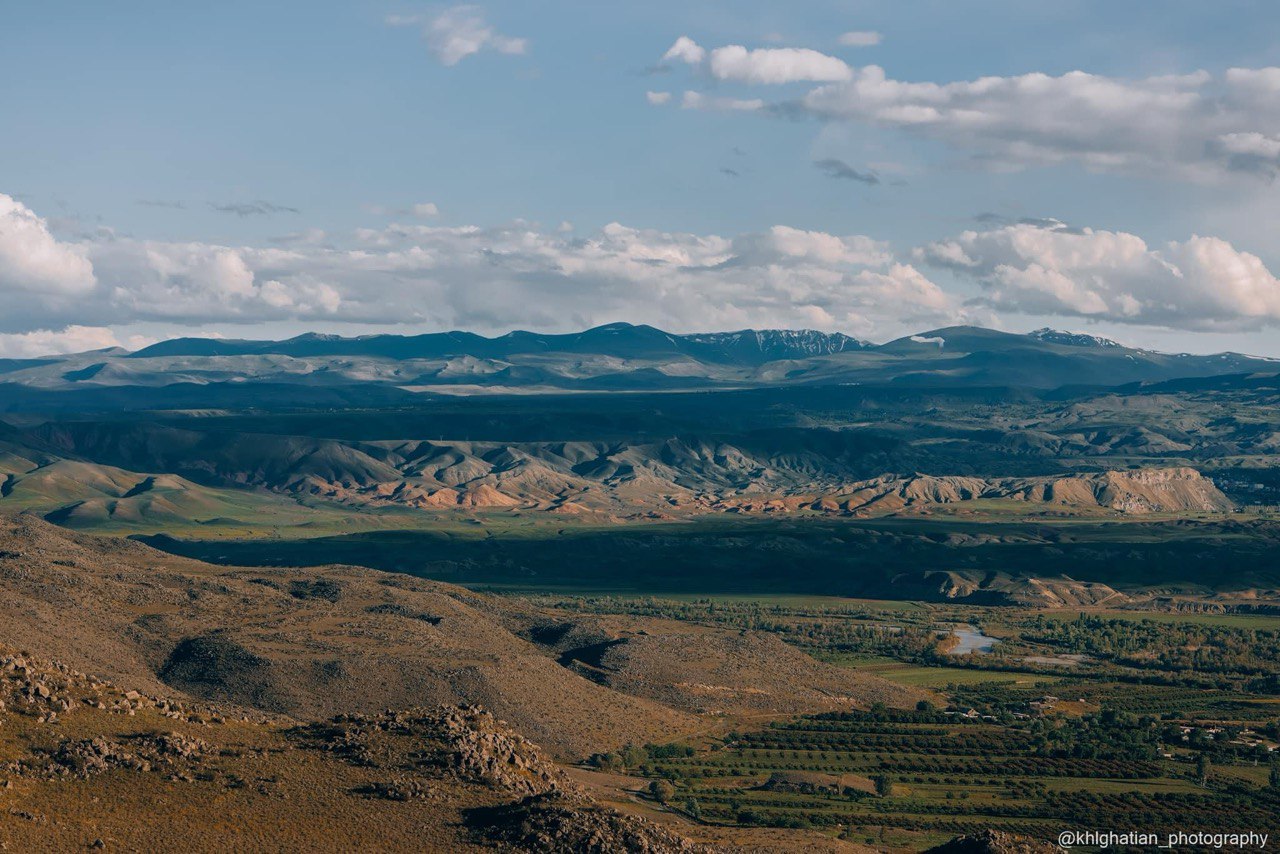
Yerrandashat is located in one of the most favorable agricultural zones in Armenia. The soils in the area are classified as alluvial-meadow and chernozem types, characterized by:
These soils are particularly suitable for almond cultivation, as they support strong root system development and high productivity.
The region’s climate is also highly favorable for almond orchards. A high number of sunny days per year, mild winters, and long, warm summers create ideal conditions for natural growth and fruiting.
Modern Agricultural Project
The YERRA almond orchards have been developed using modern agricultural technologies:
Investment Program
Out of the total 100,000 trees planted across 300 hectares, 10,000 trees have been included in an investment program and are offered for sale on the GreenInvest.ai platform.
Each tree represents a real agricultural asset and is part of an operating orchard. Tree owners receive:
Participation in yield (harvest returns)
Profit from the appreciation of the agricultural asset
A long-term natural investment instrument
Growth and Long-Term Value
Almond trees begin to produce fruit 3–4 years after planting. The active production phase starts between years 5–12, and the full production cycle lasts up to 25 years.
During this period, the tree not only generates yield but also increases in value as an agricultural asset.
Yerrandashat – Soil Characteristics
Land Overview
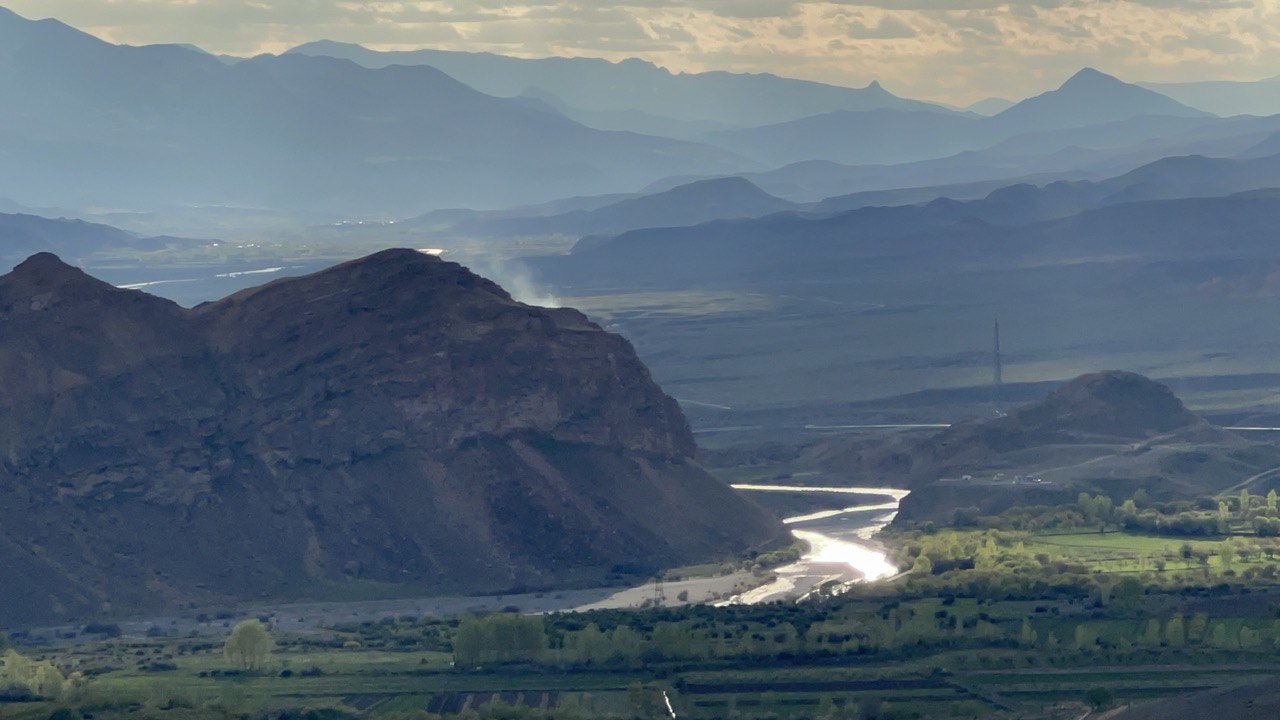
Elevation: approximately 1000–1200 meters above sea level
Topography: flat to gently sloping
Accessibility: good road access, close to irrigation canals
Soil Composition
Soil type: alluvial-meadow and light clay
Structure: from clay loam to sandy soil
Organic matter: medium (can be improved with compost)
Drainage: good
Soil depth: deep (excellent for tree roots)
pH: neutral to slightly alkaline (≈7.2–8.0)
Water and Irrigation
Supplied by the irrigation network of the Ararat Valley
Groundwater available at moderate depth
Suitable for drip irrigation systems
Agricultural Suitability
Suitable crops include: Almond, Walnut, Apricot, Peach, Grape
Climate Conditions
Climate: continental
Sunny days: 280–300 per year
Summer temperatures: +28°C to +36°C
Winter temperatures: +2°C to –10°C
Annual precipitation: ~250–300 mm
Frost risk: low to moderate (manageable)